
Heads vs Tails on a Coin: What Each Side Means and How to Tell Them Apart
 11 min read
In this article
- What Is Heads on a Coin?
- What Is Tails on a Coin?
- Heads vs Tails on a Coin: Quick Comparison
- How to Tell Heads and Tails on a Coin
- Why Is It Called Heads and Tails?
- Heads and Tails on Coins From Different Countries
- Obverse and Reverse Explained
- Heads or Tails on a Coin in a Coin Flip
- Common Mistakes and Myths
- Key Takeaways
Two cousins are about to start a cricket game in a narrow lane. One tosses a Pakistani Rs 5 coin. The other calls “heads.” The coin lands, and they both stare at it. Neither side shows a face. So who wins?
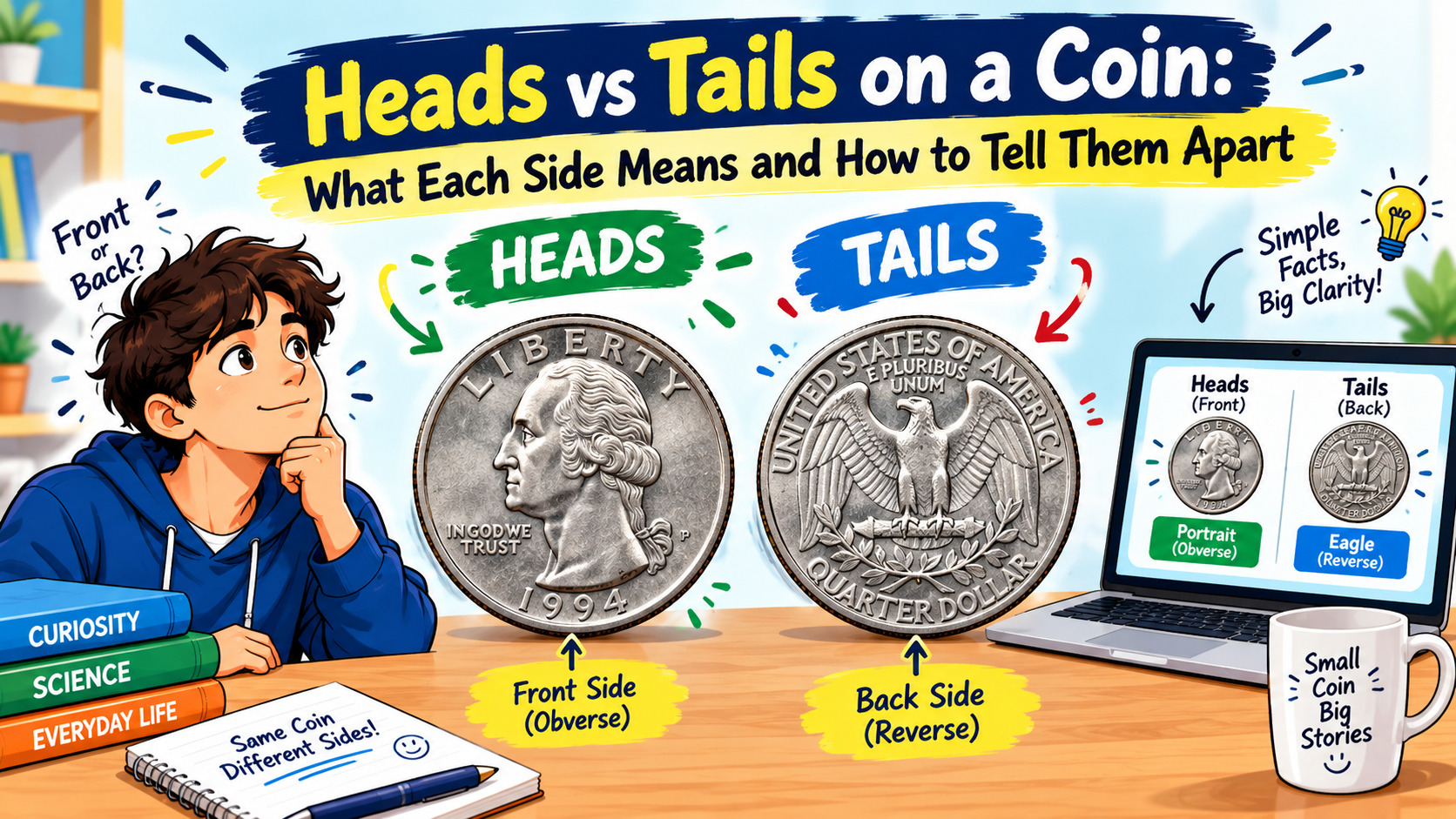
Here’s the quick answer to heads vs tails on a coin. Heads is the front side, called the obverse. Tails is the back side, called the reverse. If a coin has no portrait, the country’s mint decides which side is the front, and that’s the side you call heads. Below, you’ll see how to spot each side, why the names exist, and how to settle a toss. If you just need a result, try our coin flip simulator.
What Is Heads on a Coin?
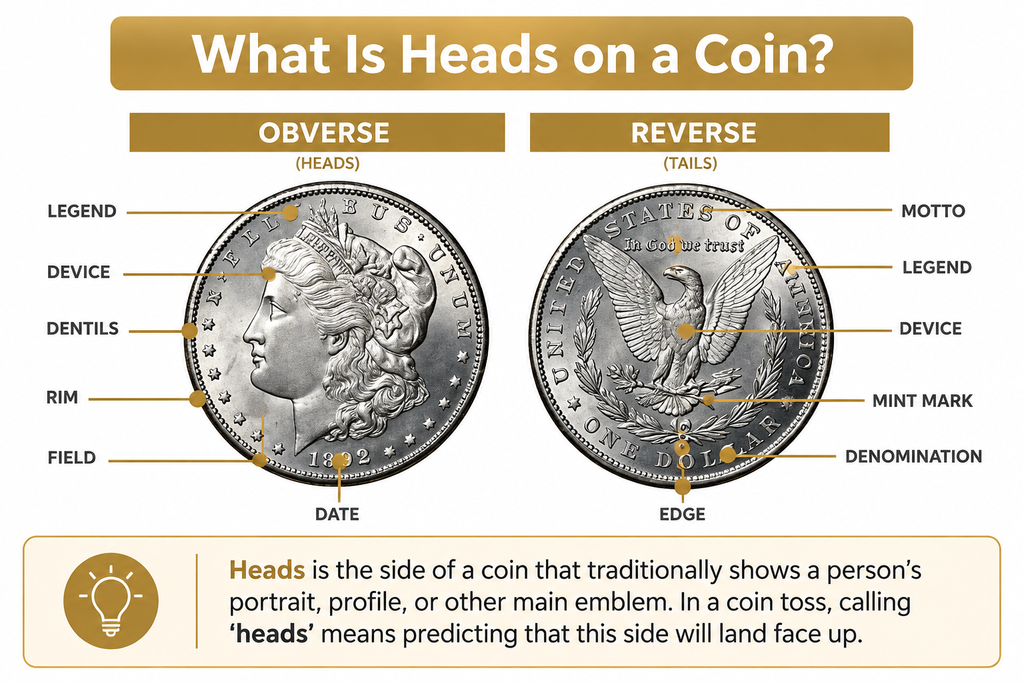
Heads is the front side of a coin. Collectors call it the obverse, which simply means “front.” It usually carries a portrait of a ruler or leader, or the coin’s main design. The US Mint’s parts-of-a-coin guide describes the obverse as the front, or “heads,” side.
That’s the short version. On a US coin, the obverse also holds the date and the mint mark, according to the same guide. A mint mark is a small letter that shows which factory made the coin, like P for Philadelphia or D for Denver. So the heads side of a coin often carries the most official details.
What does heads mean on a coin?
In everyday talk, “heads” means the side people treat as the coin’s main face. The name comes from the portrait. The Royal Mint Museum says the obverse of a UK coin has nearly always shown the monarch or ruler.
It also points out something neat. Hundreds of years ago, that image was probably the only way most people ever saw their leader’s face.
So “heads” is a nickname, not a rule stamped on the coin. It tells you which side the issuer sees as the main one.
What Is Tails on a Coin?
Tails is the back side of a coin. Collectors call it the reverse. It usually shows a symbol, a building, an animal or the coin’s value.
You won’t find an actual tail on most coins. The word just labels the tail side as the opposite of heads. The Royal Mint Museum says the reverse design matters just as much as the portrait side.
Here are two real examples from Pakistan. The State Bank of Pakistan says the reverse of its Rs 2 coin shows the front of the Badshahi Mosque in Lahore. Its Rs 5 coin has a floral wreath, a star, and the number 5 with the word for rupee in Urdu.
Heads vs Tails on a Coin: Quick Comparison
Here’s heads vs tails on a coin, side by side. The examples come from the mint and bank pages linked in this article.
| Side | Official name | What’s usually on it | Other names | Example |
| Heads | Obverse | A portrait or the main design, often the country name, and on many coins the date | Front, head side | UK coins: the monarch’s portrait (Royal Mint Museum) |
| Tails | Reverse | A symbol, building, animal or the value | Back, tail side | Pakistan’s Rs 5 coin: floral wreath, star and the number 5 (State Bank of Pakistan) |
| Edge (neither) | Edge | Plain, reeded or lettered outer surface | The coin’s rim side | US coins: the edge can be plain, reeded, lettered or decorated (US Mint) |
How to Tell Heads and Tails on a Coin
Pick up any coin and follow these steps. They work like a real check with a coin in your hand. Start with the first clue and stop when you’re sure.
- Look for a portrait. A face or a bust (a person shown from the neck up) is almost always the heads side. On a US cent, that’s Abraham Lincoln. On UK coins, that’s the King.
- Find the date and mint mark. On US coins, the US Mint’s guide places both on the obverse. Pakistan’s Rs 5 coin also carries its year on the obverse, below the crescent.
- Read the country name. Pakistan’s Rs 5 obverse has “Islami Jamhoria Pakistan” in Urdu script. In India’s 2011 coin series, the obverse carries “Bharat” and “INDIA” around the Lion Capital of Ashoka. Euro coins show the country on their national side.
- Check the denomination. The value is commonly on the reverse. Pakistan’s Rs 5 reverse puts a bold “5” in the middle of a star. On euro coins, the value sits on the common side.
- Use the rule of thumb. Portrait first. No portrait? The side with the country name and main emblem is heads. The side with the value or a secondary scene is tails. If the clues clash, agree on a side before you flip.
How to identify heads and tails on a coin with no portrait
When there’s no portrait, heads is the obverse. That’s the side the issuer treats as the coin’s main face, usually with the country name and the principal design. Here’s how a few issuers handle it:
- United States: Walter Breen’s coin encyclopedia explains that on US coins with no head, the side with the main design is the obverse. For commemorative coins, tradition decides.
- United Kingdom: The Royal Mint Museum says the King appears on every UK coin, so ordinary UK coins rarely cause this problem.
- Pakistan: The State Bank of Pakistan’s 2015 notice calls the crescent-and-star side of the Rs 5 coin the obverse.
- India: The Reserve Bank of India’s 2011 coin notice lists the Lion Capital of Ashoka side as the face of the coin.
Here’s the honest part. I didn’t find a mint page telling the public which side to call “heads” in a toss for Pakistan or India. Those pages use obverse and reverse. So calling the obverse “heads” is a shared habit, not a written rule. That’s why a quick agreement before the toss saves arguments.
Why Is It Called Heads and Tails?
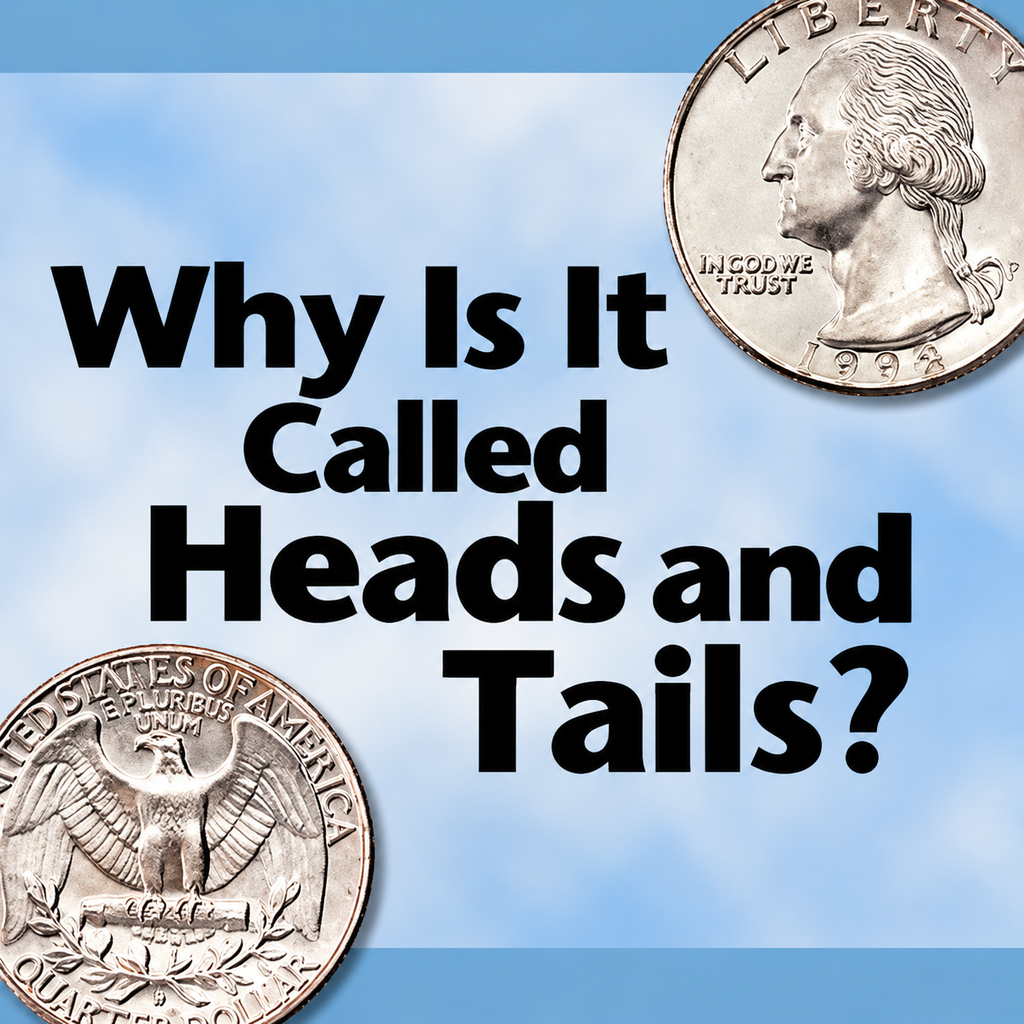
Many early coins showed a ruler’s head on one side, so that side became “heads.” The other side became “tails,” simply its opposite. The Royal Mint’s own blog says the obverse has shown a ruler for thousands of years, starting with ancient Greek coins.
The Romans played the same game. Macrobius, a Roman writer from around the fifth century AD, described a street game where players cried “heads or ships” (capita aut navia in Latin). Writers link it to early Roman bronze coins that had a head on one side and a ship’s prow on the other.
Now the parts sources don’t agree on:
- One article says the game was first noted in the 3rd century BCE. Another says Macrobius recorded it hundreds of years after those head-and-ship coins stopped.
- Macrobius ties the head to the god Janus in a story. Modern writers treat that as a tale, not proof.
- I couldn’t find a trustworthy source showing when English speakers first said “tails.” The “opposite of heads” idea is the common explanation, but it isn’t documented.
Heads and Tails on Coins From Different Countries
Every country picks its own designs, so heads and tails look different around the world. Here are four verified examples.
United States. The US Mint calls the obverse “heads” and the reverse “tails.” On the cent, the obverse shows a bust of Abraham Lincoln.
United Kingdom. The Royal Mint Museum calls the obverse the heads side and says it shows the King on every UK coin. The reverse designs change by coin.
Euro area. Euro coins have a common side and a national side. The European Central Bank says the national side shows the issuing country. The common side shows a map of Europe or the EU. Sources differ on which side to call the obverse, and the ECB page doesn’t label either one “heads.” For a toss, agree first. Our heads or tails generator skips the problem entirely.
Obverse and Reverse Explained
Obverse and reverse are the official names for a coin’s front and back. Numismatics (the study and collecting of coins) uses these words because they work even when no head appears.
The obverse is the front. The reverse is the back. The edge is the third surface, the outer rim you feel when you run a finger around the coin. The US Mint says edges can be plain, reeded, lettered or decorated.
Don’t mix up the edge and the rim. The rim is the raised border around each face. It protects the design and lets coins stack.
Heads or Tails on a Coin in a Coin Flip
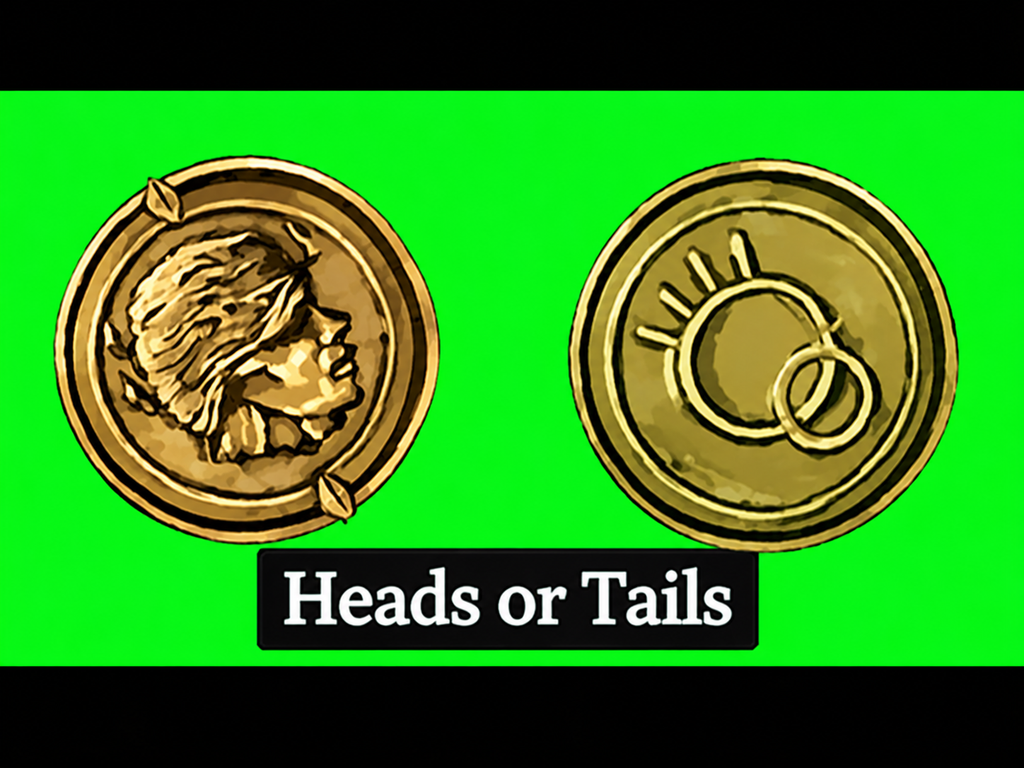
In a flip, one person calls a side before the coin lands. The side facing up once it settles is the result. If you want the full mechanics, read how does a coin flip work.
For a fair coin, each side has close to a 50% chance. If you can’t use a real coin, how a coin flip simulator works explains the digital version.
Before you toss, check what you’re holding. If the coin has no portrait, say out loud which side counts as heads. If it lands on its edge, most people just flip again.
Common Mistakes and Myths
“After three heads, tails is due.” Each flip of a fair coin is independent. See probability basics and coin flip streaks explained.treaks explained.
“Heads is always the side with a person.” Not true. Pakistan’s Rs 5 obverse shows a crescent and star, and no face.
“Tails always shows an animal or building.” Not true either. The Rs 5 reverse is a wreath, a star and a number.
“Every country follows the same rule.” Euro coins use common and national sides, and sources disagree on which one is the obverse.
“Special coins follow the usual pattern.” On US commemorative coins, tradition decides which side is the obverse, per Breen’s glossary. Two designs can look equally “main,” so heads can be unclear.
Key Takeaways
- Heads is the obverse (front). Tails is the reverse (back).
- A portrait usually marks heads, but many coins have none.
- With no portrait, the side with the country name and main design is the obverse.
- The edge is a third surface, and it’s neither heads nor tails.
- Agree on the heads side before any toss. Want quick results? Try our more random tools.
How we checked this
I checked every coin fact against a mint, central bank or museum page: the US Mint, the Royal Mint Museum, the European Central Bank, the State Bank of Pakistan and the Reserve Bank of India. Where sources disagreed, such as the Roman origin and the euro obverse, I said so instead of picking a side.
Which side of a coin is heads?
Heads is the front side of a coin, called the obverse. It usually shows a portrait of a ruler or leader, or the main design. The US Mint and the Royal Mint Museum both treat heads as the obverse. Tails is the back side, the reverse.
What if a coin has no face on it?
Look for the side with the country name and the main design. That’s usually the obverse. On US coins without a portrait, the side with the principal design counts as the obverse. For a toss, agree beforehand which side is heads, so nobody argues afterward.
Is heads always the front of a coin?
Mostly, yes. Heads is the everyday name for the obverse, which mints treat as the front. But the front can show a symbol instead of a head, and euro coins have a common side and a national side. When in doubt, use obverse and reverse.
Why is the back of a coin called tails?
Tails is simply the opposite of heads. Early coins often put a ruler’s head on one side, so the other side became tails. The Romans said “heads or ships” for the same game. I couldn’t find a firm source for when English speakers began saying tails.
Do all countries use heads and tails?
No. “Heads and tails” is an English phrase. Italians say “testa o croce,” meaning head or cross. Mints also use obverse and reverse in official notices, as the State Bank of Pakistan and the Reserve Bank of India do. Euro coins use common and national sides.
What is the difference between obverse and heads?
Obverse is the collector’s official word for a coin’s front. Heads is the everyday nickname for it. They usually mean the same side. The difference shows on coins with no portrait, where the obverse can’t literally have a head on it.

Related Articles
Why Is It Called Heads or Tails? 7 Surprising Facts
Why is it called heads or tails? Because a coin’s two sides were pictured as opposite ends of a body: the front shows a head, usually…
Lucky Penny Heads or Tails? 7 Surprising Beliefs
Lucky penny heads or tails? Heads. According to the popular superstition, a penny found heads up is lucky and worth picking up, while a tails-up penny…

Spin a Coin: Ultimate 2026 Guide + Free Flip Tool
When you spin a coin on its edge, it often lands more on one side than the other, so spinning is usually less fair than flipping.…
Need a Quick Decision?
Flip a coin and let chance decide — instantly, honestly, and for free.
Flip a Coin